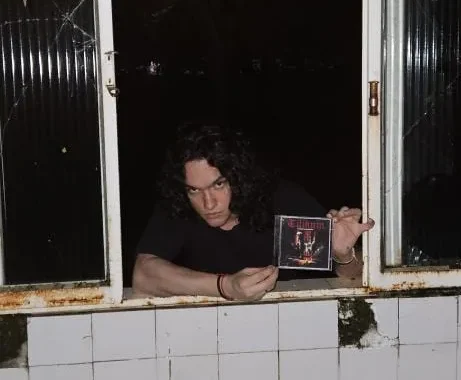
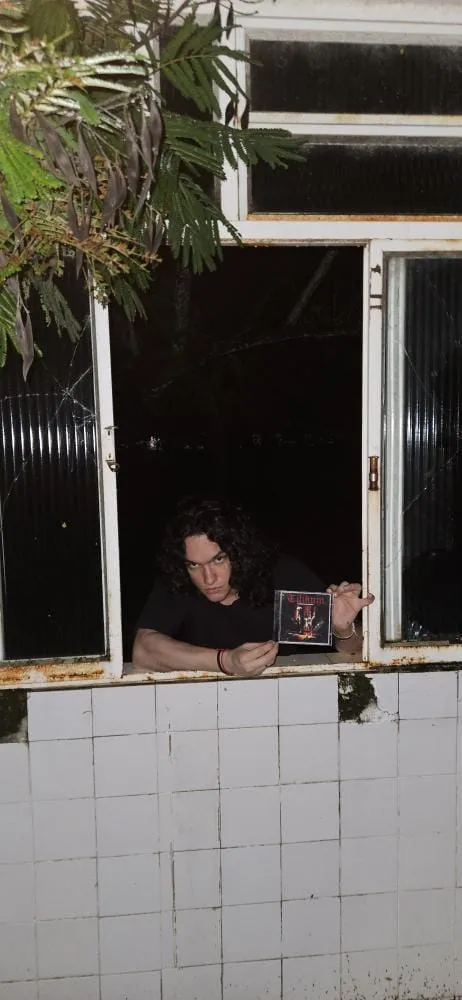
Otavio “Tavico” Henrique is a Brazilian musician who started playing guitar when he was 12.
By the age of 14, he began writing his own music, envisioning the concept of a one-man band.
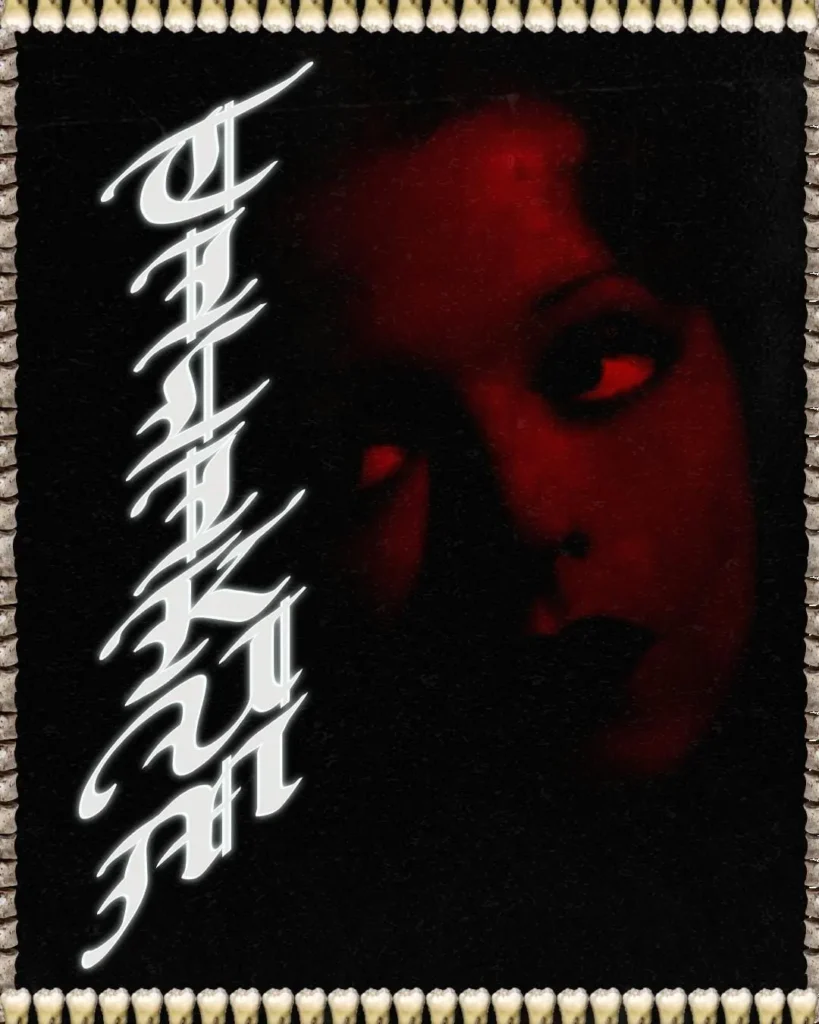
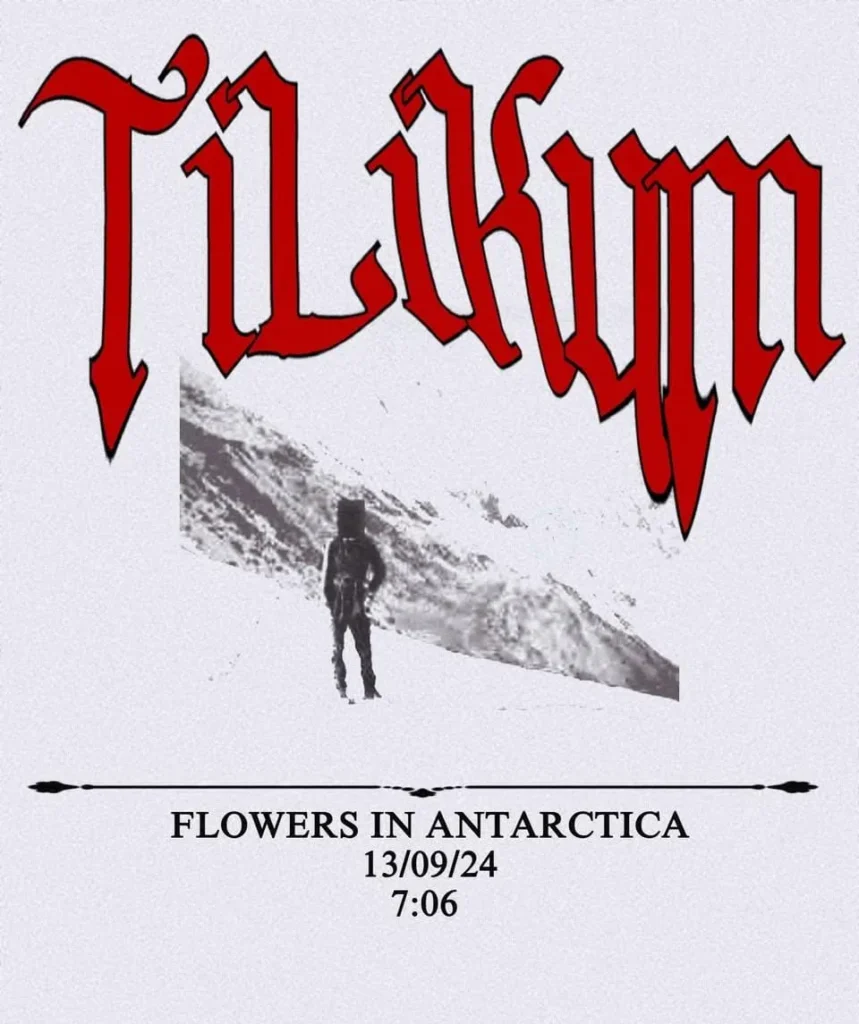
He started writing the songs for the album Flowers in Antarctica in 2022, with the first two being Aborted and I Ate Her Remains so That We’d Be Together Forever.
The recording for what is now Flowers in Antarctica began in mid-to-late 2023, when Tavico was 17.
The album was finally released to the public on September 13, 2024, and has since reached nearly 5,000 streams.
Today, Tavico joins us for an interview to discuss the album, his inspirations, and the challenges of being a one-man band and creating an entire album from scratch.
Interview
George: Can you share the inspiration behind the title “Flowers in Antarctica”?
Tavico: I had a flower that I plucked from my garden and placed on the shelf above my desk to dry.
I wanted to observe how it rotted, which inspired the working title Flowers Don’t Rot.
But that didn’t feel quite right—I wanted a title that sparked curiosity, something with a bit of mystique. So, I changed it to Flowers in Antarctica.
It refers to the flowers that have begun to bloom in Antarctica due to rising temperatures caused by climate change. It sounds kind of beautiful, but in reality, they’re more like flowers for our own funeral.
George: As a one-man band, what challenges did you face during the creation of this album, and how did you overcome them?
Tavico: I had to learn how to mix and record everything myself.
For a good portion of the album’s recording, I didn’t have microphones or an audio interface, so I had to improvise and fix a lot of issues as they came up.
I had to plug my amp directly into the computer to record the guitars, and it sounded awful.
Every track required a lot of work to make it sound decent.
Also, recording studios are really expensive, so I decided to go to a rehearsal studio and set up my desktop computer there.
The owners were pretty confused, but they were very helpful.
George: How does “Flowers in Antarctica” differ from your previous works in terms of musical style and thematic content?
Tavico: Before Flowers in Antarctica, the only release I had was Tuzi/Sepultuzi, a few joke songs I wrote and recorded as a birthday present for my brother.
Prior to that, I worked on some songs with local bands like Darkhead and Onça Preta, though we never recorded anything.
I actually wrote Flowers in Antarctica and Children of Lobotomy for Onça Preta.
Overall, I’d say F.I.A. is more focused, bigger, and heavier.
I really took the time to make the album flow better and ensure each song stood out on its own.
George: Can you describe your creative process when composing and recording the tracks for this album?
Tavico: The songs, 99% of the time, begin with the main riff.
I know a riff is good when I can already hear it as part of a bigger picture (like what comes next, or a vocal line on top of it, or a drum beat, etc.).
Then I jam on it and wait for any phrases to jump out at me that could set the tone for the lyrics.
For example, while jamming on Grey, the line “She towers tall above the fog” came to me, and from there, the rest of the song followed.
As for recording, I always start with the guitar since it guides most of the songs, then vocals, followed by bass, and eventually drums.
The drums come last because they’re the only instrument I can’t record in my bedroom.
George: Were there any particular artists or genres that influenced the sound of this album?
Tavico: Probably the biggest influences were Gojira, Acid Bath, Darkthrone (especially Panzerfaust), Bathory, and Electric Wizard (especially Dopethrone).
There are probably many other artists that don’t come to mind right now.
George: What is your favorite song on the album? What was the inspiration behind this song?
Tavico: It’s probably Rot or LUNGS. Rot was inspired by some really self-destructive people I used to know.
The chorus came to me first, and I wrote the rest of the song from that.
It’s about self-destruction through self-indulgence—porn, drugs, laziness, whatever poison you choose—and using that as a reaction to the future of mankind.
It’s about realizing that climate change makes the rich richer, and we can’t do anything about it.
Rot isn’t about suicide; it’s about ruining your life, and I really like that.
George: How do you manage the various aspects of production, instrumentation, and vocals on your own?
Tavico: You really get fatigued after a while. I had to listen to each second of these songs a couple hundred times, and your ears just get tired from the repetition.
Eventually, everything starts to sound like noise, and you can’t tell if your take was good or not.
What helped me was asking my lovely girlfriend, Rebecca, for advice.
When my ears were tired, she’d lend me hers and tell me that my tone was a muddy, horrible mess and that I sang like a dying maggot.
She really saved some of my songs—she’s somewhat of my co-producer.
Take things one step at a time. Go slowly but surely.
It’s okay if it takes a couple of weeks to record a song you can enjoy for decades to come.
George: What message or emotions do you hope listeners take away from “Flowers in Antarctica”?
Tavico: I am very pessimistic about the future of mankind, especially due to climate change.
These songs were written when I was a teenager (16-18 years old), and in hindsight, you can definitely hear a child who is very scared of the world he’s going to live in.
Songs like Flowers and Rot are more obvious about it, but each of these songs tells the story of a person with no hope of escaping a danger greater than themselves, which concludes nicely in Grey, where death is seen as peaceful and as an escape.
Also, I want people to know that recording music is easy and accessible. I didn’t use any fancy software or expensive equipment.
This whole album cost around 150 reais to record (about 26 dollars), and all the equipment I used was stuff a regular guitarist probably owns or could borrow from a friend.
So many great bands out there don’t even have demos, and it makes me sad to think about all the great riffs that were lost just because someone didn’t want to D.I.Y. a recording.
George: Are there any plans to perform this album live, and if so, how do you plan to translate the one-man band experience to a live setting?
Tavico: My local scene is terrible for extreme metal bands—there are very few venues, small crowds, and rehearsing can be really expensive, but I would love to play live.
I already know who I would call to be my backing band, and I’d be willing to play any local shows if we could get a spot to rehearse.
George: Looking ahead, what direction do you envision for your future musical projects?
Tavico: Right now, I’m experimenting more with my writing style.
I’m focusing more on lyrics and melodies, and I’ve started doing more folk-y stuff as well as more extreme music (I’ve written a few grind-ish, noisier songs).
I also started mic’ing my amp instead of using plugins. There’s going to be a long future for TILIKUM, and I’m really excited to write the next album.
I can’t wait to see where I’ll take this project. It’s probably going to be heavier.