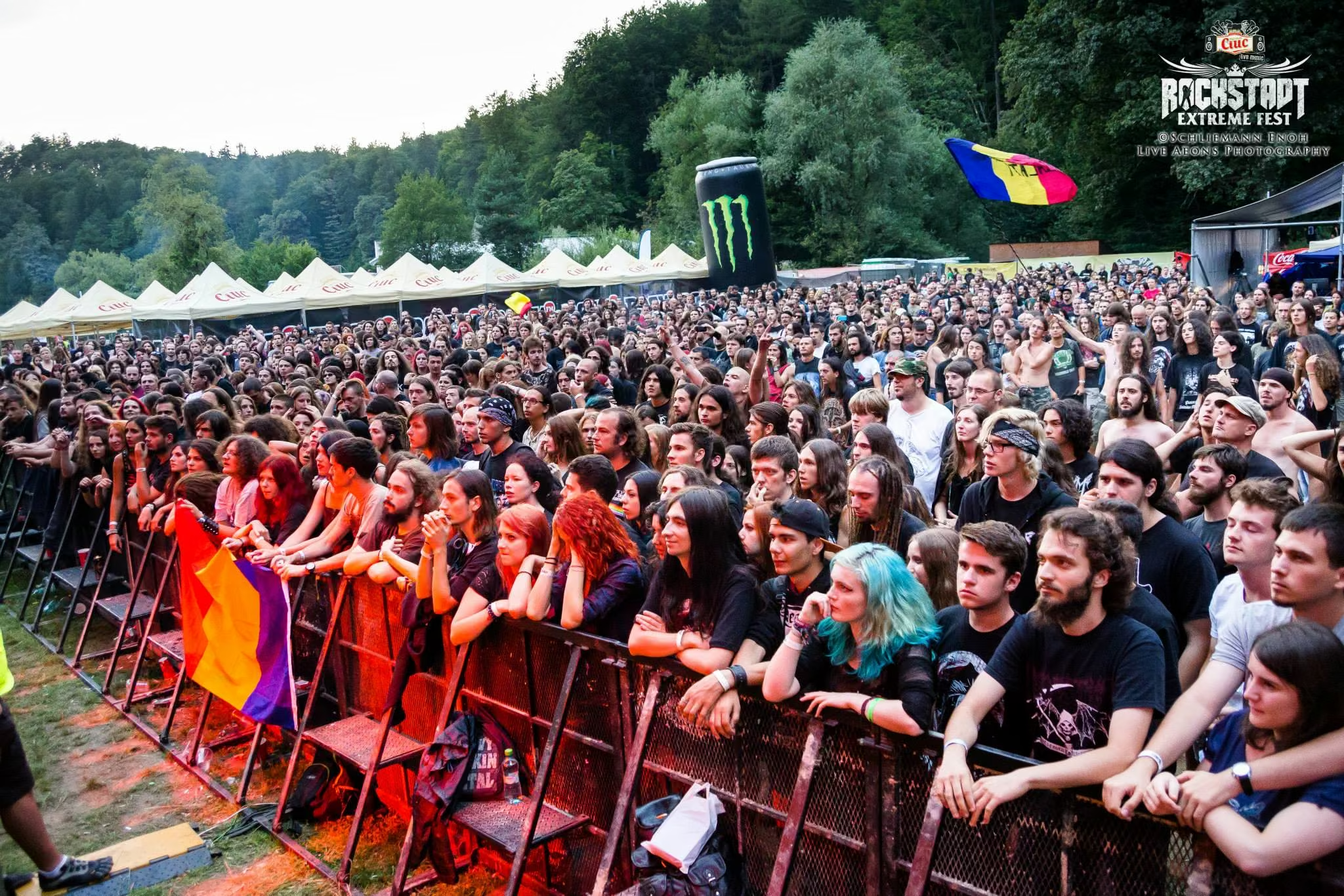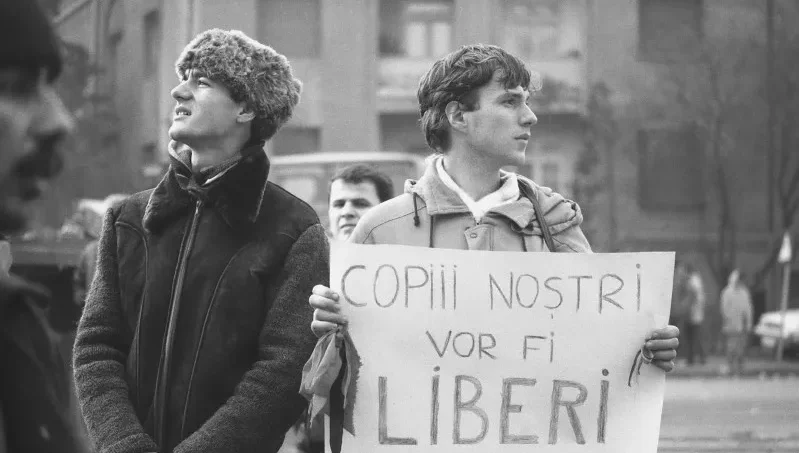
In Romania, musicians have played a pivotal role in defending democracy and freedom, especially during periods of political oppression.
Their art has often served as a form of resistance, conveying messages of hope and protest.
Post-World War II Era
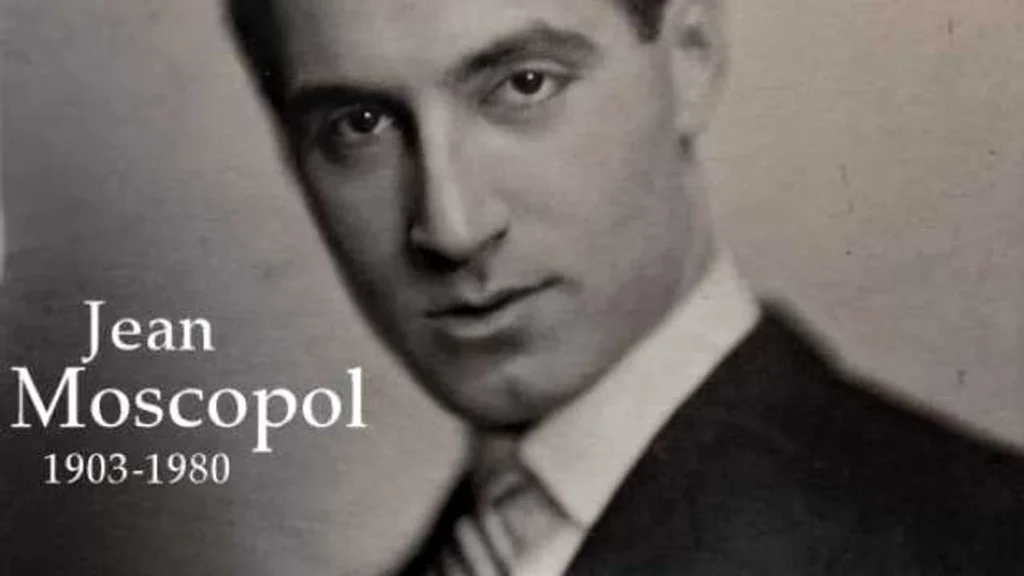
Shortly after World War II, Jean Moscopol emerged as a significant figure challenging the rising communist regime.
He composed anti-communist ballads that encouraged Romanians to maintain hope during a time when expressing dissent could lead to imprisonment.
In 1947, Moscopol fled to France and later collaborated with Radio Free Europe.
The communist censorship in Romania attempted to erase his legacy, resulting in scarce documentation about his work.
One of his notable songs, “Guvernul comunist” criticized Mihail Sadoveanu for his pro-Soviet positions.
Eventually, Moscopol settled in New York, leading the expatriate Romanian community and continuing to record songs denouncing the communist regime, such as “Foaie verde de cartelă” which highlighted the severe poverty in Romania, and “Într-o țară comunistă” addressing the purges within the Soviet Union.
The “Golden Age” (1965-1980s)
The so-called “Golden Age” in Romania was marked by intense censorship and suppression of democratic freedoms.
During this time, the band Phoenix released the song “Canarul” in 1972, composed by Nicu Covaci, Moni Bordeianu, and poet Victor Cârcu.
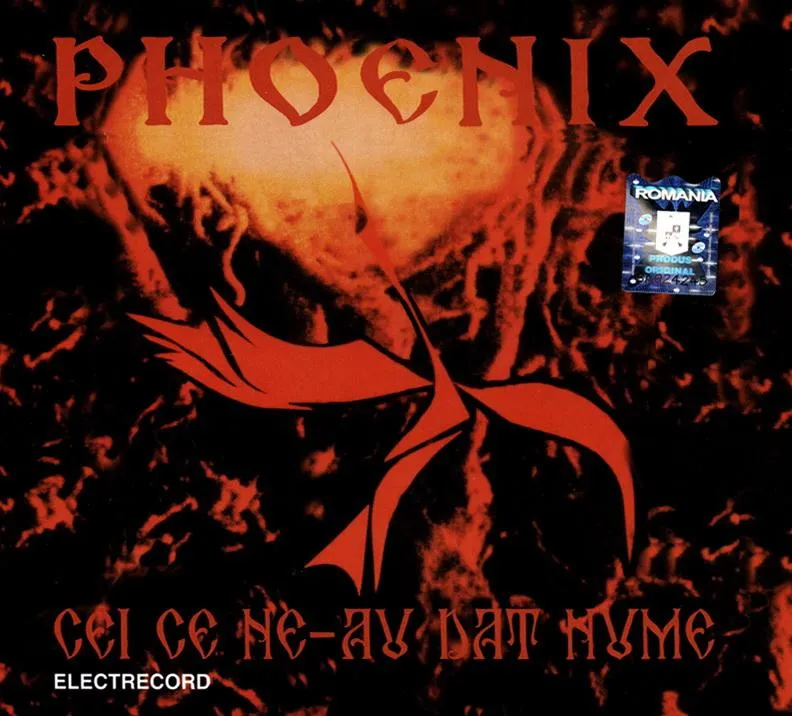
The song symbolized the freedom of youth, which was being confined by the Iron Curtain.
Censorship extended beyond song lyrics to the attire of beat bands and the music broadcasted on radio stations.
In 2007, an album titled “Cântece interzise/Cenzurat” (“Forbidden/Censored Songs”) was released, featuring tracks from artists like Dan Andrei Aldea, Alexandru Andrieș, Compact, and Sfinx.
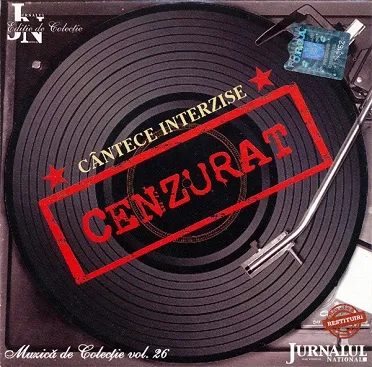
This compilation shed light on songs that were suppressed during the communist era.
Post-Communist Romania
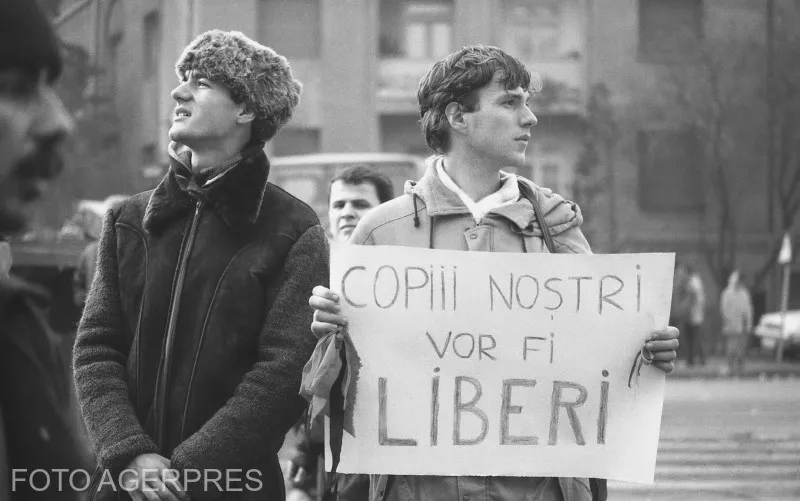
Following the fall of communism, musicians continued to reflect on the nation’s struggles through their art.
The band Timpuri Noi released “Victoria” composed by Dan Iliescu, capturing the challenges Romania faced during the transition.
The song suggests that while the country celebrated victory over the communist regime, substantial change was still lacking.
Themes of threatened democracy and the collective effort required to protect it resonate in the lyrics.
„We`re not numbers, we`re free” – Goodbye To Gravity
In more recent times, the band Goodbye To Gravity‘s song “The Day We Die” has been dubbed “the anthem of a new revolution.”
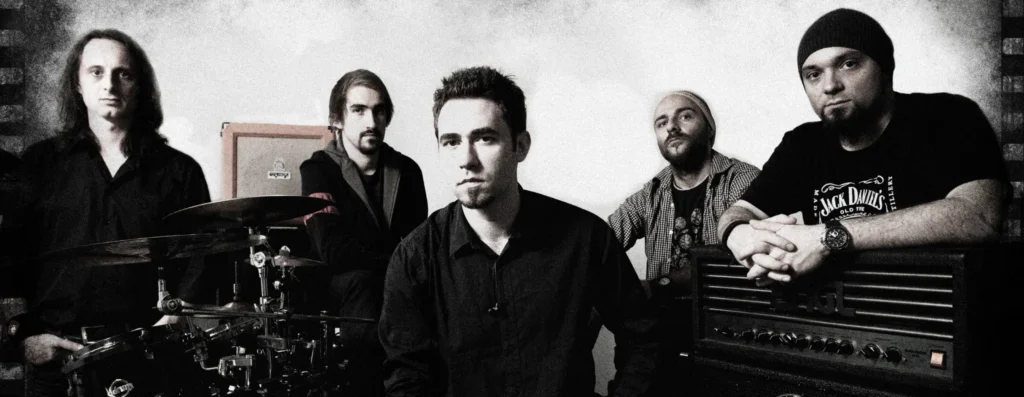
The track addresses issues like corruption and the fight for freedom and change.
Tragically, this song was performed during the Colectiv nightclub fire in 2015, a disaster that claimed numerous lives.
The lyrics, particularly the refrain “We’re not numbers, we’re free, we’re so alive… ‘Cause the day we give in is the day we die,” emphasize the importance of resilience and the refusal to succumb to oppressive forces.
After the Colectiv tragedy in 2015, many people from the music world spoke out against the corruption that plagued the state. The most vocal song was “Corupția Ucide” by the band Trooper.
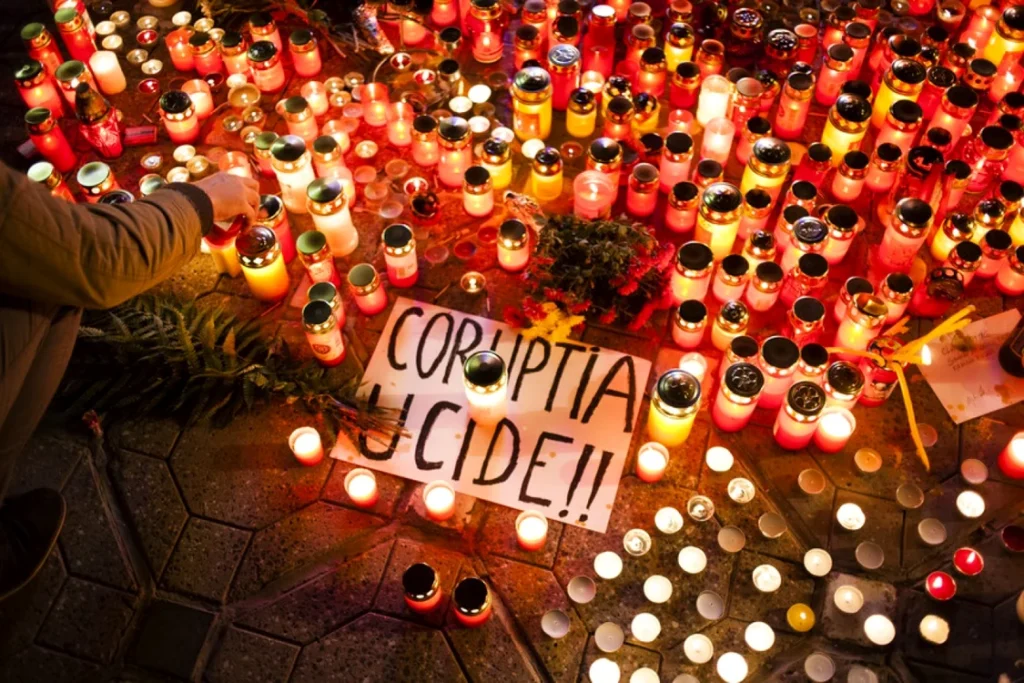
Music has consistently been a conduit for expressing dissent, fostering hope, and mobilizing collective action against oppression.
Musicians, through their art, have significantly contributed to the defense and promotion of democracy and freedom in the country.